





If you have spent any real time behind a desk, you probably know the feeling: a dull ache that begins creeping into your lower back around hour four, no matter how often you shift in your seat. I have dealt with that discomfort for years—the price of a job that keeps me in front of a screen for most of the day.
So when the MUSSO X700 GlideTrack Ergonomic Office Chair appeared on my radar, I was more skeptical than excited. I have tried “ergonomic” chairs that amounted to little more than a firm cushion and a marketing budget. This chair is different, and after weeks of daily use, I am ready to explain why.
First Impressions: Assembly and Build Quality
Out of the box, the X700 feels substantial. At approximately 22 kg, this is not a flimsy chair. Despite its weight, assembly was refreshingly straightforward. The instructions were clear, and I completed the setup on my own in well under half an hour, with no missing hardware or uncertainty about which bolt belonged where. For a chair with this many moving parts, that is not something to take for granted.
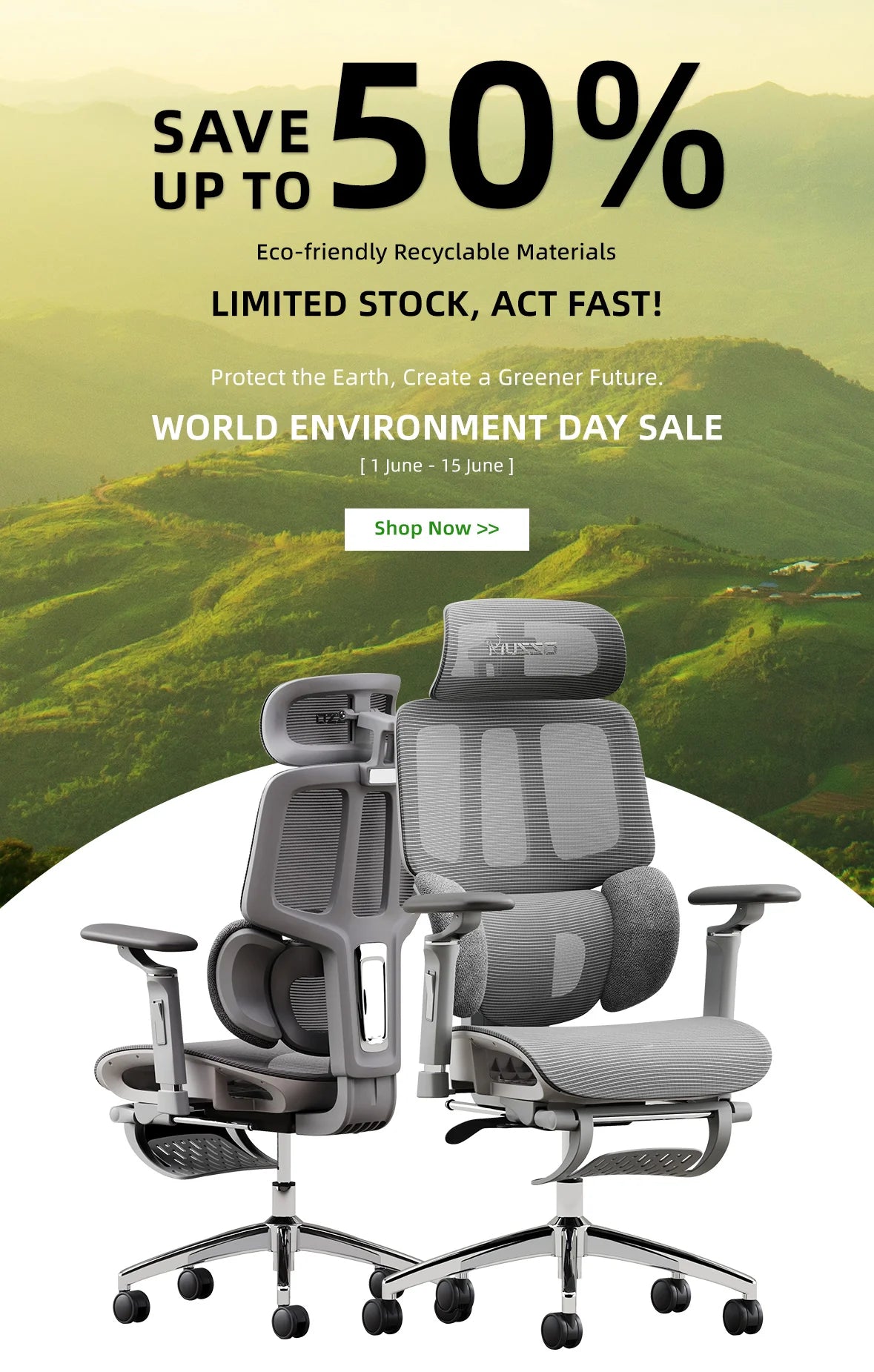
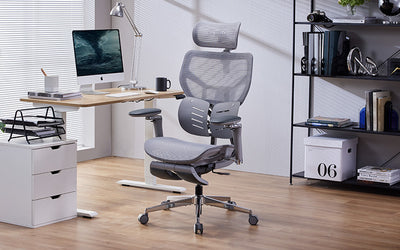
Visually, the X700 is a step above the typical black mesh office chair. I tested the dark grey model, and its woven mesh, clean lines, and distinctive two-panel backrest look equally appropriate in a modern studio or a professional workspace.
The Standout Feature: Lumbar Support That Moves With You
Many ergonomic chairs treat lumbar support as a fixed pad: you adjust it once and hope your spine cooperates. The X700’s GlideTrack lumbar system takes a more dynamic approach. It follows the curve of your lower back as you shift position or recline instead of remaining fixed in one place.
In practice, the support does not disappear the moment you lean back to think or stretch—it continues to move with you. For someone whose discomfort is triggered by hours of static sitting, I noticed a meaningful improvement within the first few days.
The lumbar height can also be adjusted independently, allowing you to align the support with your own spinal curve rather than relying on a one-size-fits-all position.
Armrests and Footrest: Small Details, Big Benefits
The armrests adjust in nearly every direction you might need: up and down, forward and backward, side to side, and through a pivoting motion. I could position them for typing, then readjust them when switching to handwritten notes. They also flip up and out of the way, making it easier to tuck the chair beneath a desk.
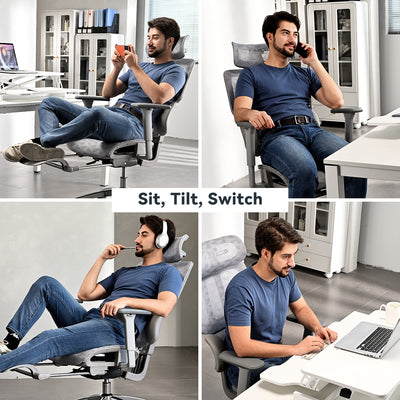
The integrated retractable footrest is the feature I did not realize I needed. It remains discreetly stored during the workday, then slides out when you recline, transforming the chair into a more relaxed place for a short break. There is no need for a separate ottoman or additional furniture.
Adjustable Comfort for Different Body Types
This is where the X700 genuinely surprised me. Its adjustable seat height and seat depth allow it to accommodate a broad range of body types. I am on the shorter side, and I could reduce the seat depth and height enough to keep my feet flat on the floor while supporting my thighs without creating pressure behind my knees.
I also asked a colleague who is well over six feet tall to try it. He had the opposite experience in the best possible way: ample backrest coverage, comfortable knee space, and a recline range of up to 150° that allowed him to stretch out properly. Seeing two people with very different frames both find a comfortable setup says a great deal about the chair’s flexibility.
Who Is the MUSSO X700 Best For?
- People who spend long hours at a desk and experience recurring lower-back or shoulder discomfort
- Households or offices where users of noticeably different heights share one chair
- Anyone looking for a chair that can serve as both a focused work seat and a comfortable place to read or relax
Where It Falls Short
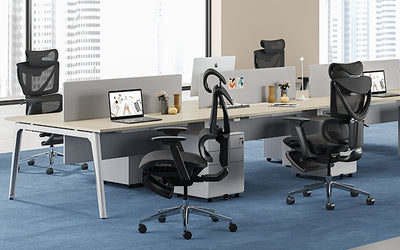
The X700 sits at the premium end of the ergonomic chair market. Promotional pricing may make it more accessible, but it is still an investment. It is also a generously sized chair, so anyone with a compact workspace should measure the available area in advance—especially if they plan to use the footrest while reclining.
The Verdict
The MUSSO X700 is not simply another chair using “ergonomic” as a buzzword. Its dynamic lumbar tracking, extensive range of adjustments, flip-up armrests, and genuinely useful integrated footrest make it one of the more thoughtfully engineered office chairs I have personally used.
Most importantly, my back notices the difference at the end of a long workday—and that is the point.
Highly recommended, especially if “just push through the discomfort” has been your default response to long days at a desk.